
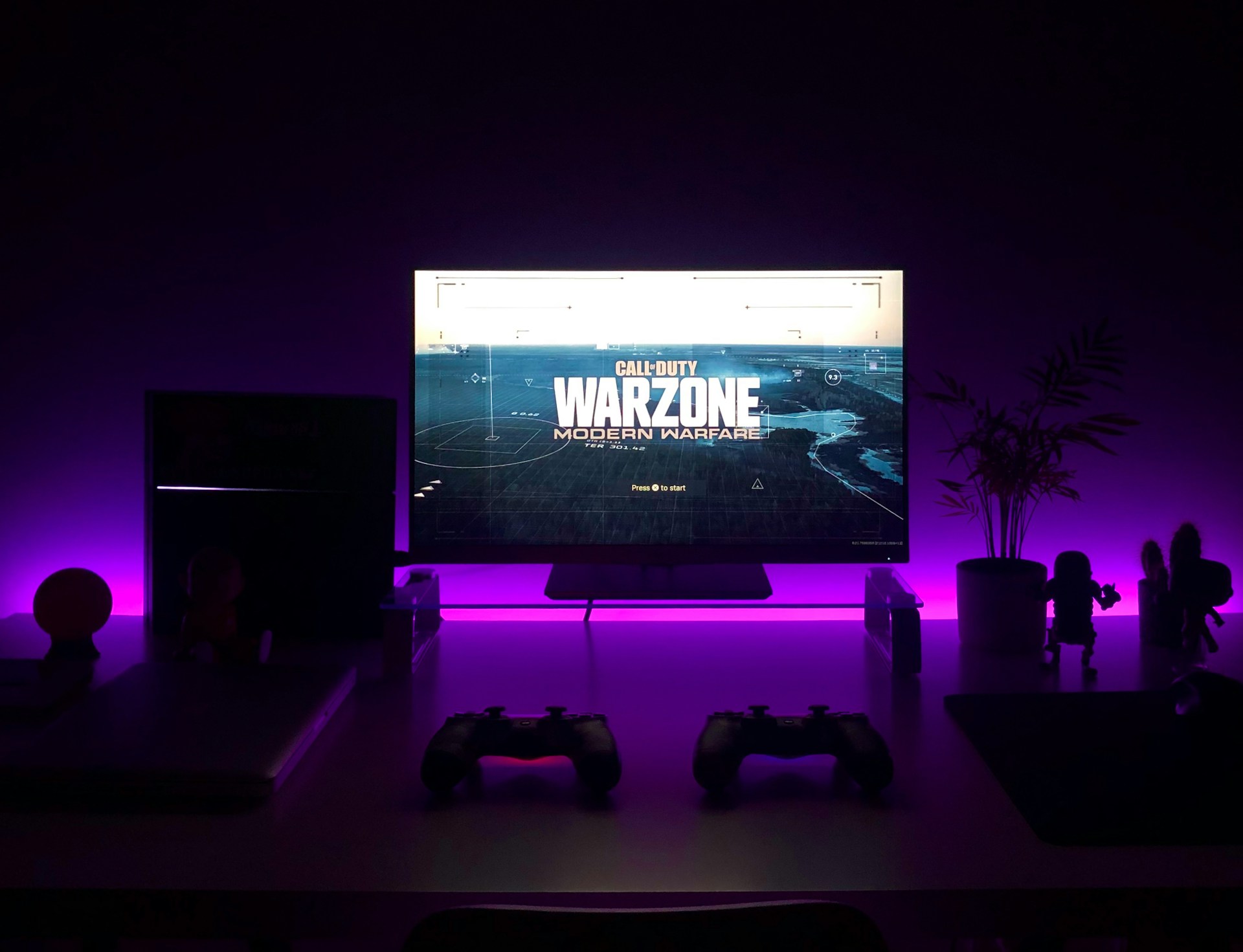
Realistic firearm games have come a long way from pixelated blasters that looked like angry rectangles. Today, players notice details. They care about sound, weight, movement, reload timing, customization, and the way a firearm fits into the game world. But realism should not only mean cool animations. It should also mean context.
Real-world platforms such as the BSR47 rifle show why designers often study recognizable sporting rifle shapes, controls, and user expectations. That research can make a game feel grounded without turning it into a careless fantasy.
Realism Needs Purpose
A game does not need to copy every real-world detail. In fact, too much realism can ruin pacing. Nobody wants a 40-minute inventory screen unless they also enjoy filing taxes for fun.
Good realism supports gameplay. It helps players understand weapon roles, trade-offs, range, handling, and customization choices. The goal is immersion, not homework.
Safety Culture Can Shape Better Worlds
Games often focus on action, but responsible worldbuilding can still include safe handling habits in training areas, range environments, storage rooms, or tutorial spaces.
Small design touches matter. A game can show controlled range areas, clear weapon benches, locked armories, and trained characters who treat firearms with respect. These details add depth without lecturing the player.
Gear Should Have Trade-Offs
Realistic firearm games feel better when every setup has pros and limits. A heavier build might offer stability but slower movement. A compact setup might feel faster but less steady. Optics, stocks, magazines, and accessories can affect the character’s role.
This creates meaningful decisions. Players love choices that matter. They love cosmetic fluff too, but function beats shiny nonsense most days.
Sound And Feedback Matter
The best firearm design in games depends on feedback. Sound, recoil animation, visual shake, reload rhythm, and impact response all shape player perception.
A weak sound can make a strong rifle feel like a stapler. A sharp, balanced audio profile can make gameplay feel more satisfying without exaggeration.
Avoid Cartoon Logic
Some games treat firearms like magic wands with magazines. That can work in arcade shooters, but realistic titles need more care. Clear limitations help the game feel fair.
Ammo management, heat, accuracy shifts, and handling differences can add strategy. The trick is to keep these mechanics readable. Complexity should serve fun, not bury it.
Customization Should Make Sense
Players love customization. Developers should connect upgrades to clear effects and visual logic. If a part changes handling, show it. If an optic helps at distance, make that role obvious.
Good customization lets players build identity and strategy at the same time.
Final Thoughts
Realistic firearm games work best when design respects both fun and authenticity. Developers can study real sporting platforms, range culture, storage habits, and gear trade-offs to build better systems. Realism does not need to slow the game down. Used well, it levels up immersion, player choice, and trust.